
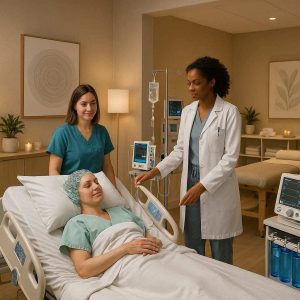
 Surgery has improved greatly over the years. Medical technology, advanced techniques, and improved patient care now allow many procedures to become safer and more effective. At the same time, patients today want more than successful medical outcomes. Many people also want comfort, relaxation, and support during the recovery process. This is where spa and wellness services have started playing an important role.
The connection between health, surgery, and spa treatments is becoming more common in modern healthcare. Ethos Spa in Hoboken now combine medical care with wellness-focused support to help patients recover physically and emotionally. This approach focuses on reducing stress, supporting healing, and improving the overall patient experience.
People who undergo surgery often experience anxiety, discomfort, fatigue, and emotional stress. Recovery may take weeks or even months depending on the procedure. Wellness and spa services can provide additional support during this period by helping patients relax and manage stress more effectively.
Medical spas and wellness centers are also becoming more popular because many people now focus on preventive care and self-care. Instead of only treating illness, many individuals look for ways to maintain their health and improve their quality of life before problems become serious. This has increased demand for wellness services that work alongside traditional healthcare.
The goal is not to replace medical treatment with spa services. Instead, wellness therapies are often used to complement medical care and improve the patient’s overall experience. When done correctly and supervised by qualified professionals, these services can support recovery, stress management, and long-term wellness.
The Growing Role of Wellness and Spa Services in Surgical Recovery
Recovering from surgery can be physically and emotionally demanding. Patients may deal with pain, limited movement, swelling, fatigue, and emotional stress. While surgeons focus on medical recovery, wellness therapies can help support the body and mind during the healing process.
Stress reduction is one of the biggest benefits of spa and wellness treatments after surgery. Stress can affect sleep quality, immune function, and emotional well-being. Massage therapy, relaxation treatments, and calming wellness environments may help patients feel more comfortable during recovery.
Some recovery programs also include guided breathing exercises, meditation, and gentle wellness therapies that promote relaxation. Patients who feel calmer may have an easier time managing post-surgical stress and anxiety.
Hydration and skin care treatments are also becoming more common in wellness-focused recovery programs. Surgical procedures can sometimes leave the skin dry, sensitive, or irritated. Gentle skincare services may help improve comfort and support skin health during healing.
Certain wellness therapies may also help improve circulation. Better circulation can support the body’s natural healing process by helping deliver oxygen and nutrients throughout the body. However, these treatments should always be approved by healthcare professionals before being used after surgery.
Pain management is another important area where wellness support may help. Some patients use relaxation therapies, light massage, or wellness-focused treatments to complement their medical pain management plans. This may help reduce tension and improve comfort during recovery.
Sleep support is often overlooked during surgical recovery. Many patients struggle with disrupted sleep because of discomfort or stress. Wellness programs that focus on relaxation, calming routines, and stress reduction may help improve sleep quality during healing.
Emotional support is also important after surgery. Some procedures can affect self-confidence, emotions, or mental well-being. Wellness environments that focus on comfort and care may help patients feel more positive throughout the recovery process.
Medical spas that work closely with healthcare providers can create safer and more personalized recovery programs. This allows treatments to be adjusted based on the patient’s procedure, medical history, and recovery progress.
Patients should always consult their surgeons before receiving spa treatments after surgery. Not all therapies are appropriate immediately after medical procedures. Safety and timing are extremely important when combining wellness services with post-surgical care.
Why More Patients Are Choosing Medical Spas and Wellness Clinics
The medical spa industry has grown rapidly because many people now want treatments that combine healthcare, wellness, and aesthetics in one environment. Patients are increasingly interested in services that help them look better, feel healthier, and reduce stress at the same time.
Medical spas often provide services such as facials, laser treatments, injectables, skin therapies, massage treatments, and wellness programs. Unlike traditional spas, many med spas operate under medical supervision, which allows them to offer more advanced procedures.
One reason patients choose med spas is convenience. Instead of visiting multiple providers, patients can often receive wellness, aesthetic, and supportive care in one location. This creates a more comfortable and organized experience.
Another reason is personalization. Many wellness clinics now offer customized programs based on individual goals, lifestyle habits, and health concerns. Some clinics combine aesthetic treatments with nutrition support, stress management, and skincare education.
Preventive wellness has also become a major focus. Many people no longer wait until visible signs of aging or health issues appear. Instead, they invest in ongoing wellness routines that help maintain skin health, energy levels, and overall appearance.
Patients are also becoming more aware of the connection between mental wellness and physical appearance. Stress, lack of sleep, poor nutrition, and emotional burnout can affect both health and appearance. Wellness-focused med spas often address these factors together instead of treating appearance alone.
Technology has also improved the patient experience in wellness clinics. Digital skin analysis tools, online consultations, treatment tracking apps, and advanced imaging systems help providers create more accurate treatment plans.
Social media has contributed to the popularity of wellness-focused aesthetics as well. Many people are exposed to wellness trends, skincare education, and recovery stories online. This has increased awareness about preventive care and self-care treatments.
Men are also becoming more active consumers in the wellness and med spa industry. Treatments that focus on skincare, stress reduction, and wellness support are now attracting a broader audience than in the past.
The industry continues to evolve because consumers want healthcare experiences that feel more supportive, personalized, and focused on long-term well-being.