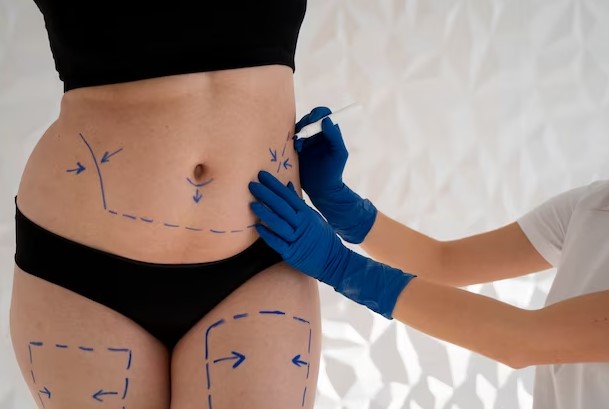
Recovery after cosmetic surgery involves more than caring for the treatment area. Hair and scalp health can also be affected by temporary lifestyle changes, emotional stress, altered sleeping positions, and restrictions on washing or styling. Research published by the American Society of Plastic Surgeons (ASPS) shows that following post-operative instructions plays an important role in reducing complications and supporting proper healing. While the focus often stays on incisions and swelling, maintaining healthy hair and scalp habits can contribute to greater comfort throughout recovery.
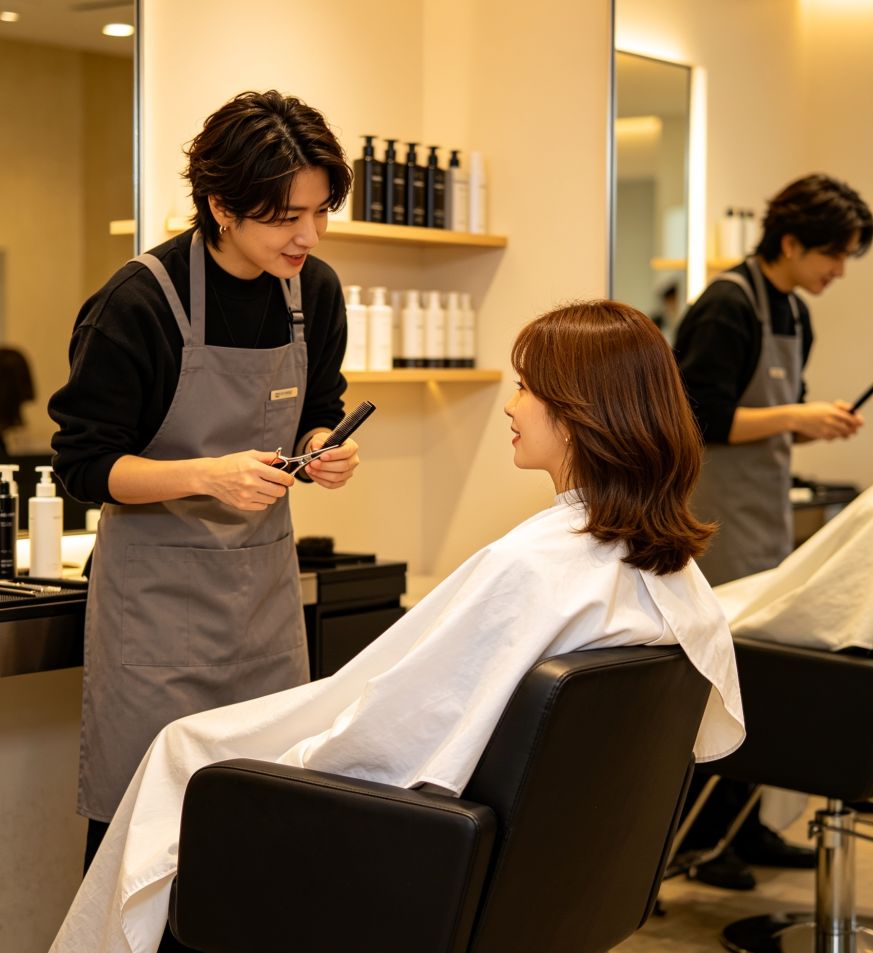
Many people preparing for facial cosmetic procedures also think about personal grooming before returning to work or social activities. Choosing a hair salon (see also hair salon Park ave) for gentle, personalized hair care may become part of a broader self-care routine after appropriate healing has occurred and with approval from the treating healthcare provider. Professional salon services should complement medical guidance rather than replace it.
Why Hair and Scalp Care Often Becomes Overlooked
Facial cosmetic procedures can temporarily change everyday routines. Some patients are advised to avoid vigorous hair washing, excessive bending, heavy lifting, or applying pressure around surgical sites for a period of time. These precautions may leave the scalp feeling oily, dry, itchy, or generally uncomfortable.
Experts from the American Academy of Dermatology Association (AAD) note that stress itself may trigger temporary hair shedding known as telogen effluvium. Surgery, emotional stress, illness, or significant life events can all contribute to this condition. Hair loss often appears several weeks or months after the triggering event rather than immediately after surgery.
Recognizing these possibilities helps patients understand that temporary changes in hair condition are relatively common and may improve as the body recovers.
Step 1: Follow Your Surgeon’s Instructions First
The first priority after any cosmetic procedure is protecting the surgical outcome. Every operation has unique recovery guidelines. Procedures involving the face, forehead, scalp, ears, or neck may require additional precautions before shampooing, coloring, or using heated styling tools.
Reports from the American Board of Cosmetic Surgery emphasize that following individualized aftercare instructions reduces unnecessary risks and supports proper healing. Before scheduling any salon appointment, ask your surgeon about:
- When normal hair washing can safely resume.
- Whether salon sinks or reclining chairs should be avoided.
- If hair coloring or chemical treatments should be postponed.
- Whether blow dryers or heated styling tools are appropriate.
- Any restrictions related to incisions or dressings.
Receiving clear guidance early helps avoid accidental irritation during recovery.
Step 2: Keep the Scalp Clean Without Causing Irritation
Once washing is permitted, gentle cleansing becomes important. Mild shampoos without harsh fragrances or irritating ingredients may reduce discomfort while the skin remains sensitive.
Studies published by the Journal of Clinical and Aesthetic Dermatology suggest that maintaining a healthy scalp environment supports overall skin comfort. Although cosmetic surgery itself does not usually damage the scalp, excessive scrubbing or aggressive styling during healing may increase irritation.
Instead of vigorous rubbing, use slow fingertip movements and lukewarm water. Allow the scalp to dry gently with a soft towel before using a dryer on a cool or low-heat setting if approved.
Step 3: Delay Chemical Treatments Until Healing Progresses
Hair coloring, bleaching, straightening, relaxing, or permanent waving involve chemicals that may irritate sensitive skin. Even if these products are normally well tolerated, recently operated skin may respond differently.
Research supported by the American Academy of Dermatology Association indicates that damaged or healing skin is generally more vulnerable to irritation from cosmetic products. Waiting until surgical wounds have healed and receiving medical clearance can help reduce unnecessary discomfort.
If a special event is approaching, temporary styling techniques that avoid harsh chemicals may provide a safer alternative during recovery.
Step 4: Be Careful With Hairstyles
Recovery is often more comfortable when hairstyles avoid unnecessary tension. Tight ponytails, heavy extensions, braids, or styles that pull on healing skin may create pressure around sensitive areas.
Gentle options may include:
- Loose ponytails.
- Soft hair clips.
- Natural waves.
- Light headbands if approved by the surgeon.
- Minimal use of styling products.
Comfort should take priority over appearance during the early stages of healing.
Step 5: Watch for Signs That Need Medical Attention
Some scalp discomfort is expected after changes in routine, but certain symptoms deserve prompt medical evaluation.
The Centers for Disease Control and Prevention (CDC) and the American Society of Plastic Surgeons recommend contacting your healthcare provider if you experience:
- Increasing redness around surgical areas.
- Persistent drainage or foul odor.
- Severe pain that continues to worsen.
- Fever.
- Sudden swelling or bleeding.
Salon professionals should never attempt to evaluate surgical complications. Any unusual symptoms should always be discussed with the treating medical team.
Step 6: Communicate Clearly Before Your Appointment
Once your surgeon approves returning to salon services, inform your stylist about your recent procedure before the appointment begins. Sharing relevant details allows adjustments that improve comfort and reduce unnecessary pressure.
Helpful information may include:
- The date of your procedure.
- Areas that remain sensitive.
- Restrictions on reclining or neck movement.
- Products your physician recommends avoiding.
- Any discomfort experienced during washing.
Clear communication helps salon professionals modify their approach while respecting medical limitations.
Step 7: Choose Gentle Services During Early Recovery
Many people feel eager to return to their normal appearance after cosmetic procedures. Starting with simple services instead of major style changes often supports a smoother transition.
A salon experienced in customized care may recommend gentle washing, light trimming, careful drying techniques, or simple styling while postponing more intensive treatments until healing is complete. This gradual approach allows comfort and safety to remain the primary focus.
Support Recovery Through Overall Healthy Habits
Hair and scalp health reflects many aspects of overall wellness. Recovery may be supported by adequate hydration, balanced nutrition, quality sleep, and avoiding smoking where possible. Findings from the World Health Organization and the U.S. National Institutes of Health continue to highlight the importance of nutrition and healthy lifestyle habits in supporting normal tissue repair. Patients who experience ongoing hair thinning after recovery may also benefit from learning about modern hair restoration approaches, which explain where non-surgical options may fit alongside professional medical evaluation and personalized treatment planning.
Patience is equally valuable. Temporary hair shedding or changes in scalp condition often improve gradually as the body completes its natural healing process. If concerns continue for several months, consultation with a dermatologist or the operating surgeon may help determine whether additional evaluation is appropriate.
Conclusion
Successful cosmetic surgery recovery extends beyond caring for visible treatment areas. Paying attention to the hair and scalp can improve comfort while reducing unnecessary irritation during the healing period. Following medical instructions, delaying harsh chemical treatments, communicating openly with salon professionals, and choosing gentle styling approaches all contribute to a thoughtful recovery plan.
As more people recognize recovery as a whole-body process, coordinated care between healthcare providers and experienced beauty professionals can help support confidence while respecting medical priorities. Careful planning, realistic expectations, and patience remain the foundation of safe healing and long-term satisfaction.





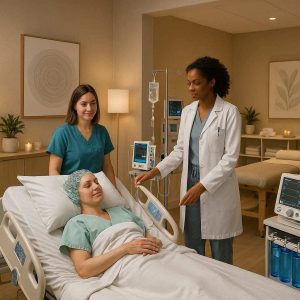 Surgery has improved greatly over the years. Medical technology, advanced techniques, and improved patient care now allow many procedures to become safer and more effective. At the same time, patients today want more than successful medical outcomes. Many people also want comfort, relaxation, and support during the recovery process. This is where spa and wellness services have started playing an important role.

 Honey’s ability to fight infections comes from its antimicrobial properties, primarily attributed to hydrogen peroxide and other natural components. Medicinal manuka honey, in particular, has a unique compound called methylglyoxal, making it highly effective against many bacteria. This honey can reduce the risk of post-surgical infections by creating an environment that inhibits bacterial growth, accelerating patient recovery. Studies also suggest that using honey on wounds may reduce the need for antibiotics, offering a natural alternative to synthetic drugs.
 The human brain is a dynamic organ, constantly changing and adapting through
  Having a health insurance plan in mind needs one to review the available coverage options. Knowing these specifics will enable people to decide the best course of action fits their situation.
 Recovering from surgery is not just a physical challenge; it also takes a toll on the mind. Post-surgery recovery often includes fatigue, brain fog, and impaired cognitive function, especially for older patients. Men undergoing surgery, whether it’s a routine procedure or a major operation, face both physical and mental hurdles in their healing journey. Nootropics—supplements that enhance brain function—have gained attention for their ability to improve mental clarity and accelerate recovery after surgery by supporting memory, focus, and overall cognitive performance.
 This NMN brand is a pure NMN in capsule form that is easy-to-swallow.
 Go for Contoura Visions procedure if you have a more complicated eye condition such as astigmatism or an uneven cornea.